Words & Photography by
Juan Guilmar Baldoni
Throughout his career, Kazuo Ishiguro has been writing the same book again and again. Different attempts to resolve a question that has no answer. Perhaps that’s why his work feels so open-ended, and rewards being read as a whole.
A body of work still in progress.
His writing makes you look at your own life from a slight distance. At memory, conversations, overlooked details, the spaces you inhabit. But his work is also a testament to a precise way of working, where simplicity is not a style, but substance.
Surface and content made of the same thing. Like a good loaf of bread.
Impressions
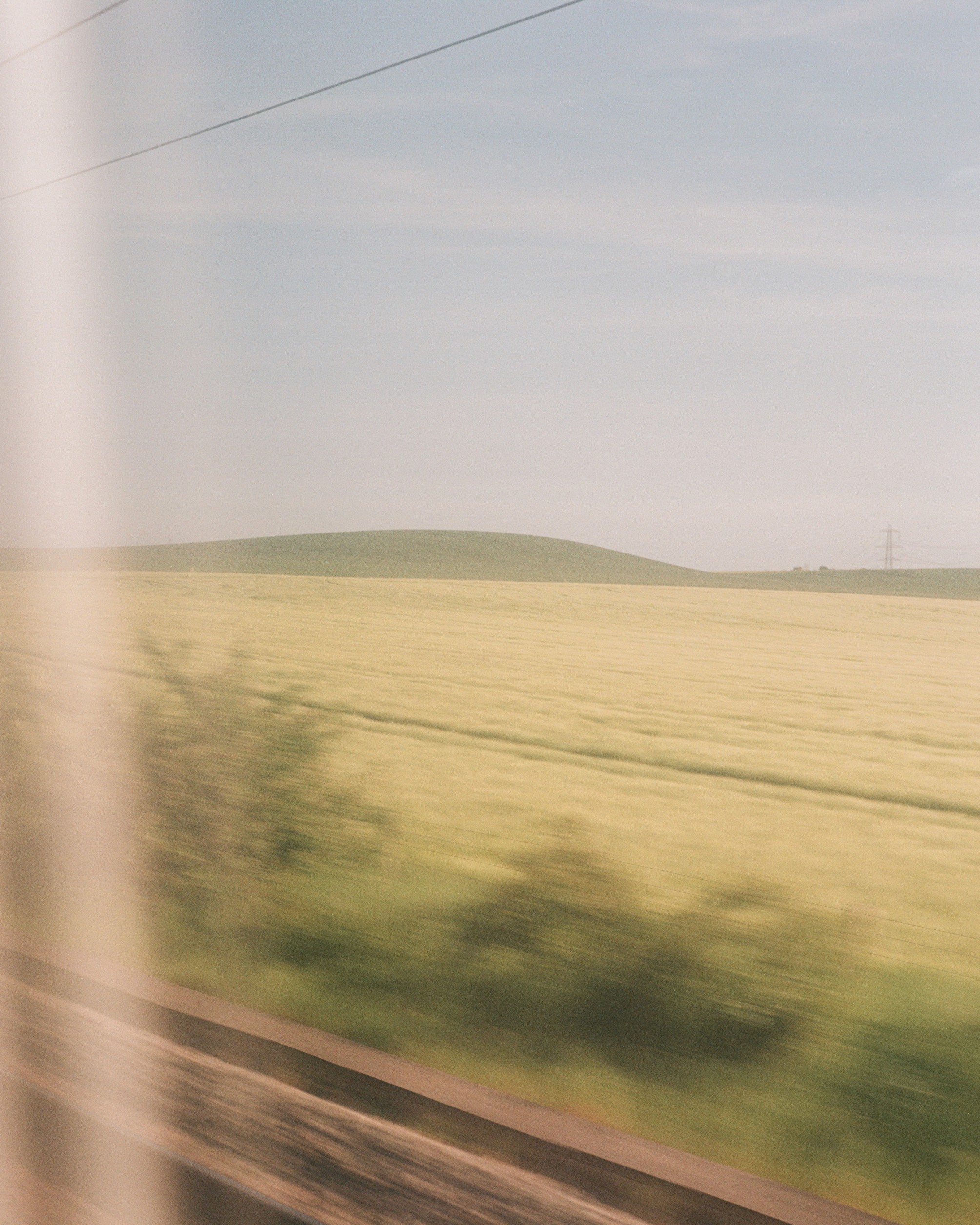
Spaces are not defined by their physical boundaries, but by the impressions they leave. By a subjective atmosphere. A room is never just a room. It is the feeling of being in it, at a particular moment, with particular people. That feeling shifts over time, becomes unreliable, partial.
Spaces are tied to experience, not dimensions. The most precise description of a place is sometimes the most incomplete one.
Gradients, not thresholds
His narratives shift the way light changes during the day. You never catch the exact moment afternoon becomes evening.
Time blurs. Locations shift. Thoughts move without clear boundaries. One page you are in one place, emotionally or spatially. A few pages later, somewhere else entirely. The transition happens in between, without announcement.
A watercolour rather than a line drawing.
The space between
Silence here is not absence. It is load-bearing. The blank space does as much work as anything around it.
It creates distance, and with it, depth. Meaning doesn’t sit only in what is said, but in what is left open.
Without it, everything becomes immediate and flat.
Trusting the Process
Ishiguro trained as a songwriter before becoming a novelist. In songwriting every syllable has weight, every pause has duration. You cannot be approximate. That discipline carries into his prose.
The sentences feel sufficient, almost inevitable. Nothing added, nothing missing. Subtracting a word would weaken it. Adding one would too.
This kind of simplicity doesn’t come from reduction for its own sake. It comes from a way of working. A developed skill. From the confidence to decide when something has reached its right form, and to stop there.
Whatever Works
Genre is not something to commit to. It is something to move through.
Historical novel, dystopian science fiction, fantasy. These are not territories to master, but tools to serve a specific idea. They are used, and left behind. That’s it.
In that sense, his approach can feel almost un-professional. I like that.
There is no real concern for doing it properly, only for whether it works. The feeling is that each book is written by an outsider. That’s what keeps the work apart.
Ishiguro reminds us that the material is already there. In the everyday, the ordinary, the overlooked. Not about what you find, but how you look.
A discipline that can be trained, rather than a talent.
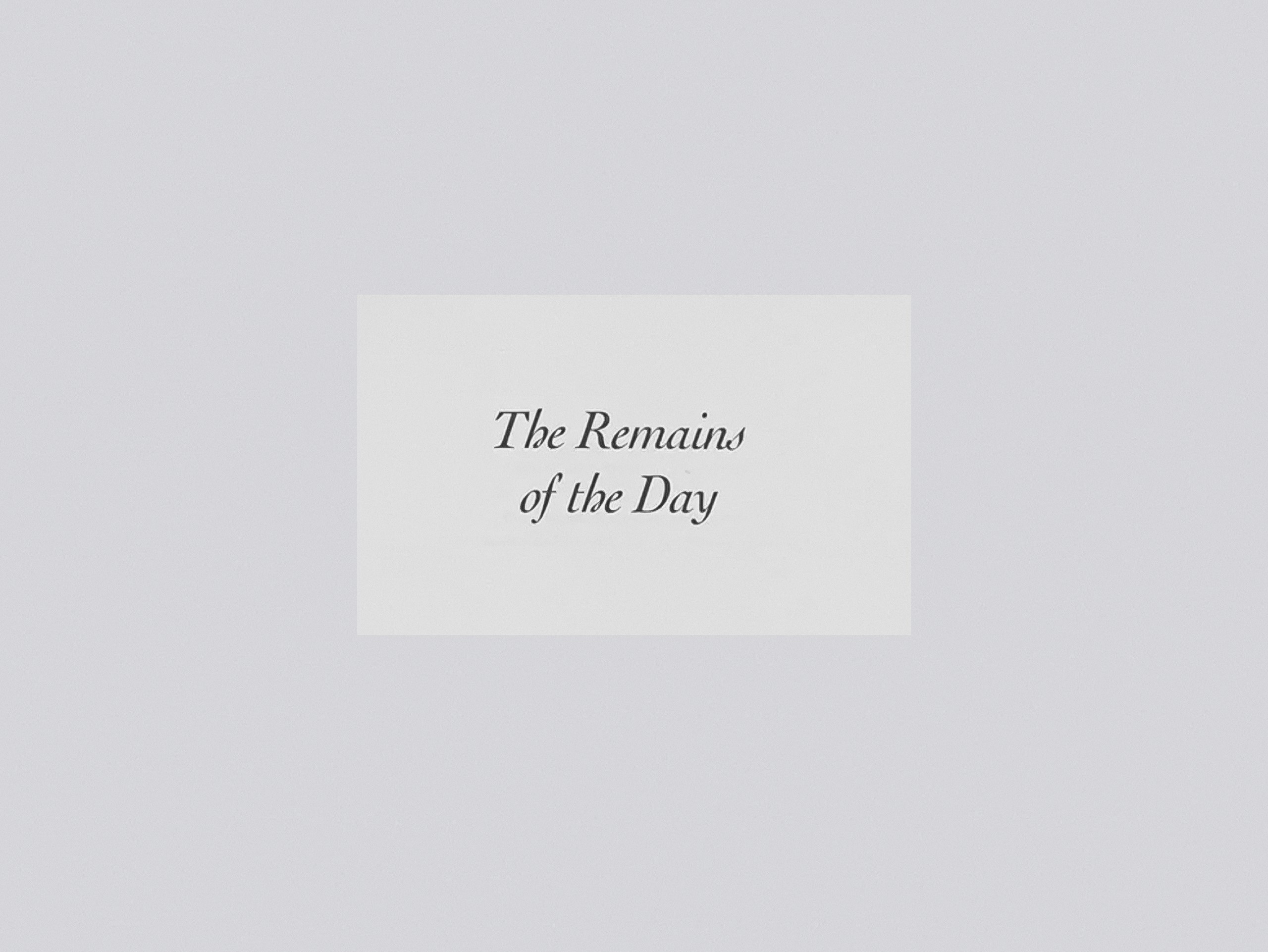
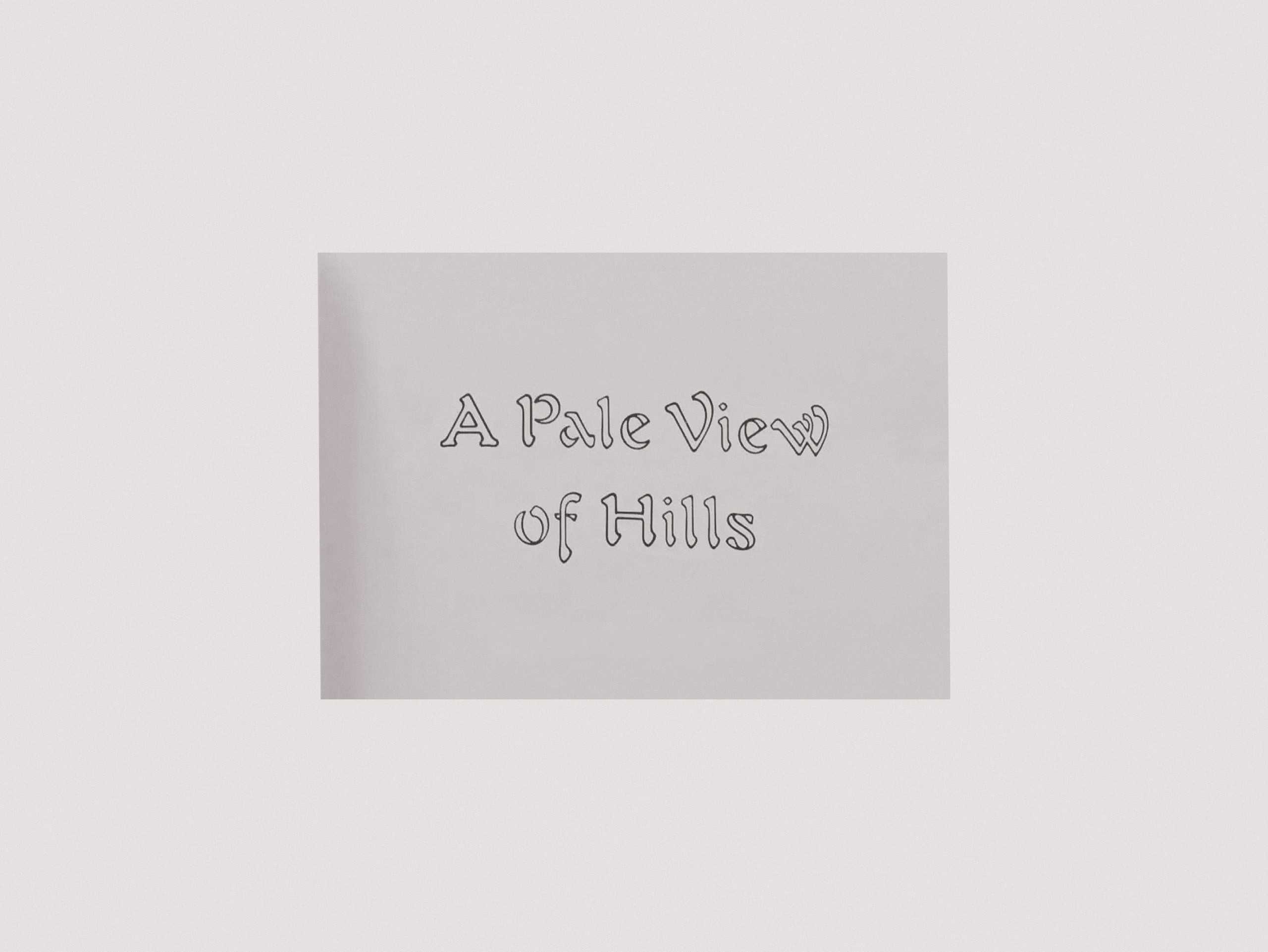
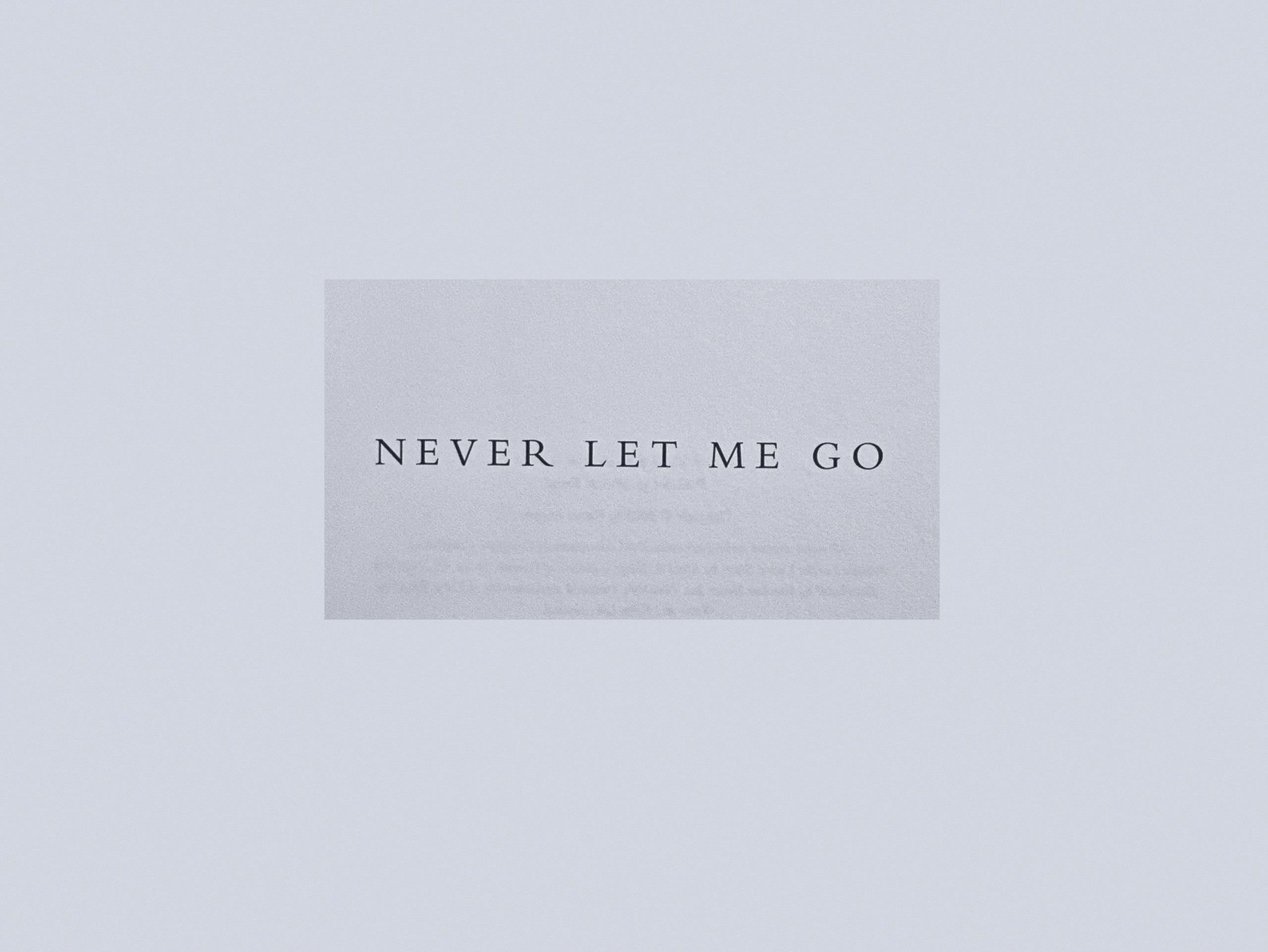
From A Pale View of Hills to The Remains of the Day or Never Let Me Go, I’ve always been drawn to the clarity of his titles. Balanced, almost casual.
Not long ago, I had the chance to ask him how these titles come about. He said they often come from things he picks up in everyday life, even cookbooks.